

The Great Kitchen Debate: Oil vs. Water for Commercial Spaces
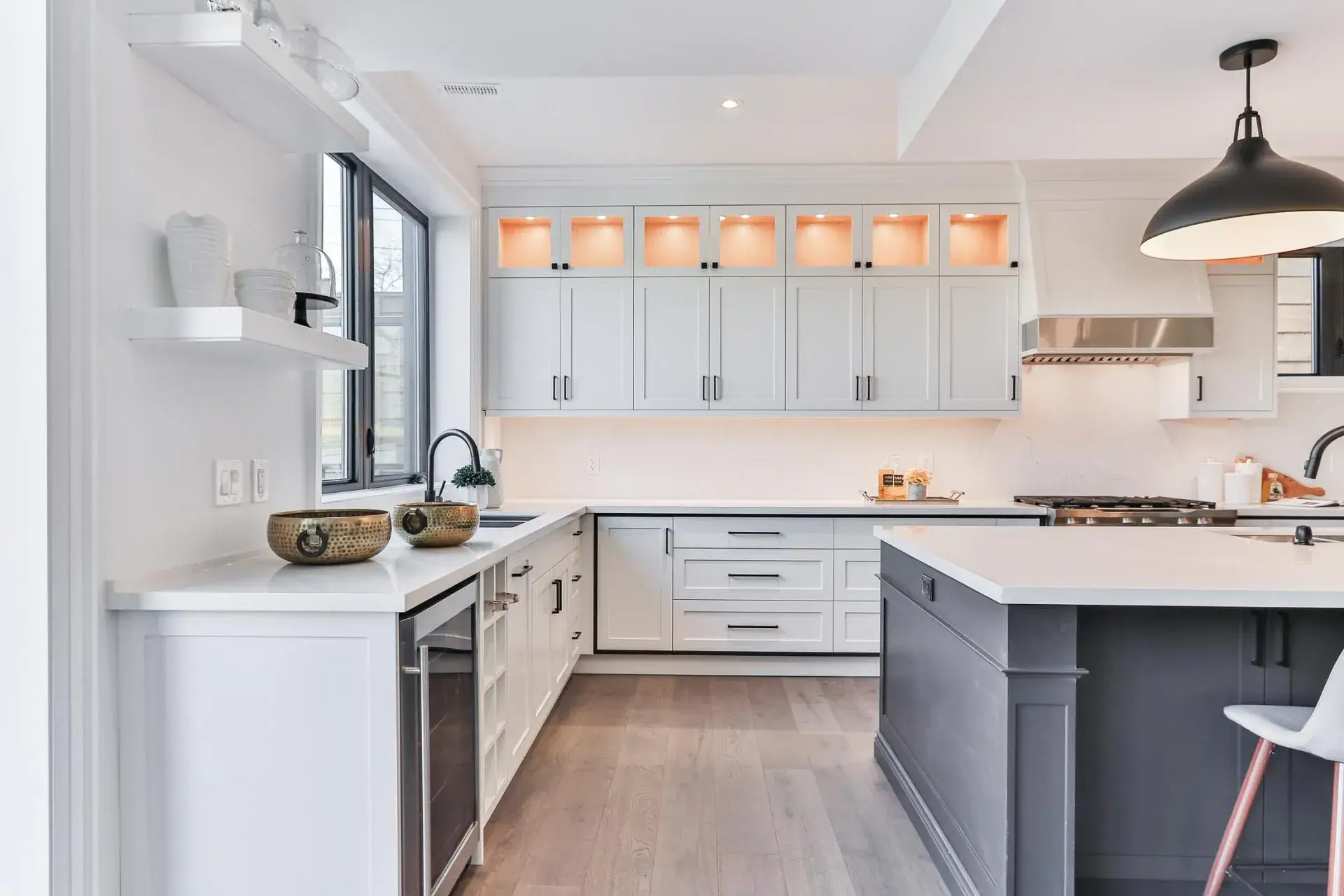
The Great Kitchen Debate: Oil vs. Water for Commercial Spaces
By Dreamy Coats Painting
Walking into the back of a busy restaurant or a high-volume cafeteria in Oakville, you expect chaos. Sizzling pans, clattering dishes, and the hum of the hood system dominate the senses. But one thing should not be chaotic: the walls.
Commercial kitchens are the battlegrounds of the hospitality industry. They face grease-laden steam, constant temperature swings, and rigorous scrubbing with harsh chemicals. When it comes time to refresh these walls, business owners in Oakville face a critical choice. The decision between oil-based and water-based coatings is not merely about aesthetics; it is a financial and operational calculation.
At Dreamy Coats Painting, we have spent years analyzing how coatings behave under the intense pressures of Oakville’s food scene. From the bustling lakeside eateries to the quick-service restaurants near Trafalgar Road, we have seen triumphs and failures.
Here is the definitive guide to choosing your weapon.
The Chemistry of Survival
To understand which paint belongs in a commercial kitchen, we must first strip away the marketing jargon and look at chemistry.
Oil-based paints (often called alkyds) cure through oxidation. When you apply them, the solvents evaporate, and the oils react with oxygen to form a hard, rigid, and incredibly durable film . Think of it as a shell.
Water-based paints (acrylics or latexes) cure through evaporation. The water leaves the film, and the acrylic particles fuse together to create a breathable, flexible coating .
In a living room, both work fine. In a kitchen where a deep fryer vents directly onto a wall, only one truly excels.
The Case for Oil-Based Enamel
For decades, oil-based enamel was the undisputed king of the commercial kitchen. If you walk into an older establishment that still looks pristine, chances are they used oil.
The Shield of Rigidity
The primary advantage of oil is its hardness. Once fully cured, oil-based paint forms a surface that resists scratching, chipping, and—most importantly—the relentless application of scrub brushes. In a commercial kitchen, walls get washed nightly. Softer paints wear down, revealing the drywall beneath. Oil stands firm .
Superior Adhesion to Metal
Commercial kitchens have a lot of metal: walk-in cooler doors, stainless steel trim, and exhaust hoods. Oil-based paints adhere aggressively to metal surfaces without requiring exotic primers. They form a rust-inhibitive barrier that water-based paints often struggle to match .
Resistance to Grease Stains
Grease is the enemy. It clings to walls and turns yellow over time. Oil-based paints, due to their non-porous nature, do not absorb grease as readily as their water-based counterparts. A wipe-down actually removes the grime rather than just smearing it into the paint pores.
The Modern Reality: The Rise of Water-Based
For years, water-based paints had a bad reputation in industrial settings. They were seen as weak, prone to peeling, and unable to handle heat. That technology is obsolete.
Modern water-based industrial coatings have closed the gap significantly.
The Low Odor Revolution
The biggest logistical nightmare of an oil-based project is the smell. Oil paints emit strong volatile organic compounds (VOCs). In a commercial setting, this can force a shutdown for days. Water-based paints, however, allow for application during off-hours without driving the morning prep crew crazy with fumes .
Flexibility is a Feature
Commercial kitchens are not static. They shift and settle. Metal expands when hot and contracts when cold. Water-based acrylics are flexible. They move with the substrate. Oil-based paints, being so hard, can eventually crack or “alligator” when a building shifts or when a freezer door slams repeatedly .
The Environmental Standard
Oakville is a progressive community. Strict environmental regulations often limit the VOC content allowed on job sites. Water-based paints naturally comply with these low-VOC standards, making them the responsible choice for businesses looking to maintain green certifications or simply provide a healthier workspace for their staff .
Head-to-Head: The Performance Metrics
To help you decide, let us look at the specific categories that matter to a restaurant owner or facilities manager in Oakville.
Drying & Downtime
- Oil: Slow. You are looking at 4 hours to dry to the touch, but 24 hours before a recoat. Full chemical cure takes weeks .
- Water: Fast. Often dry to the touch in 1-2 hours, with recoat times as low as 4 hours .
- The Verdict: Water wins for businesses that cannot afford to close for a long weekend.
Clean-Up & Application
- Oil: Requires mineral spirits or paint thinner. Messy and flammable .
- Water: Soap and water. Simple and safe .
- The Verdict: Water is the clear choice for efficiency.
Heat & Steam Resistance
- Oil: Excellent. Handles high heat well, though it can yellow over time when deprived of sunlight (common in back-of-house areas).
- Water: Moderate to Good. High-end acrylics handle steam, but cheaper versions can soften and become tacky near dishwashers.
- The Verdict: Oil has a slight edge, though modern water-based epoxies are catching up .
Scrubability
- Oil: Superior. It is rock hard.
- Water: Good (if using a high-quality industrial version).
- The Verdict: Oil wins for heavy-duty scouring.
The “Dreamy Coats” Recommendation
At Dreamy Coats Painting, we do not believe in a one-size-fits-all solution. Your Oakville kitchen has unique traffic patterns, ventilation, and budget constraints.
However, here is our professional rule of thumb:
Choose Water-Based for:
- Speed: If you need to paint on a Monday night and serve lunch on Tuesday.
- Drywall & Plaster: Water-based allows the wall to breathe. Oil can trap moisture behind it, leading to mildew growth inside the walls .
- Eco-Conscious Brands: If your restaurant markets itself as organic or sustainable, your paint should match that ethos.
Choose Oil-Based for:
- Metal Surfaces: Hoods, vents, and exposed pipes look better longer with oil .
- Trim & Doors: These get kicked, bumped, and hit by carts. They need the toughness of alkyd.
- Legacy Properties: Older buildings often have existing oil coatings that water-based paint may not adhere to properly.
The Hybrid Approach
The best strategy we employ at Dreamy Coats Painting for discerning Oakville clients is the hybrid approach.
We love using water-based primers and topcoats for the large wall expanses. This keeps the project moving fast and keeps the odor out of the dining room. But for the “danger zones”—the six feet behind the fryer, the dishwashing alcove, and the delivery door frames—we bring in the oil-based enamel or advanced water-based epoxies .
We also strongly recommend specialized water-based epoxy reinforced coatings for floors and lower walls. These products offer the chemical resistance of oil with the application ease of water . They are a game-changer for commercial food prep areas.
The Final Verdict
There is a reason this debate is so passionate. If you ask a veteran painter, they will swear by oil because they have seen it last 20 years . If you ask a young facility manager, they will prefer water because it allows them to keep the kitchen running without interruption.
The truth is that quality matters more than the base.
A cheap oil paint will crack and yellow. A cheap water-based paint will peel the first time the steam cleaner hits it. At Dreamy Coats Painting, we source high-grade industrial coatings. Whether we are using a low-VOC acrylic for your main kitchen or a heavy-duty alkyd for your walk-in cooler, we ensure the sheen, the adhesion, and the durability meet Oakville’s health codes.
Before you buy a single gallon, assess your enemy. Is it grease? Is it abrasion? Is it humidity? Or is it simply the clock?
Let us help you map out a painting strategy that keeps your kitchen beautiful, sanitary, and open for business.
Recent Post
- Go Bold or Stay Classic: Kitchen Cabinets Painting for Every Style
- Breathe New Life into Your Home With Interior Painting Oakville Services
- Your Path To A Modern Home Makeover With Cabinets Spray Painting
- Perfect Your Kitchen’s Style with Exceptional Kitchen Cabinets Painting Services
- Color Your Business Success with Outstanding Commercial Painting Services
- Breathe New Life Into Your Home with Professional Staircase Painting in Brampton